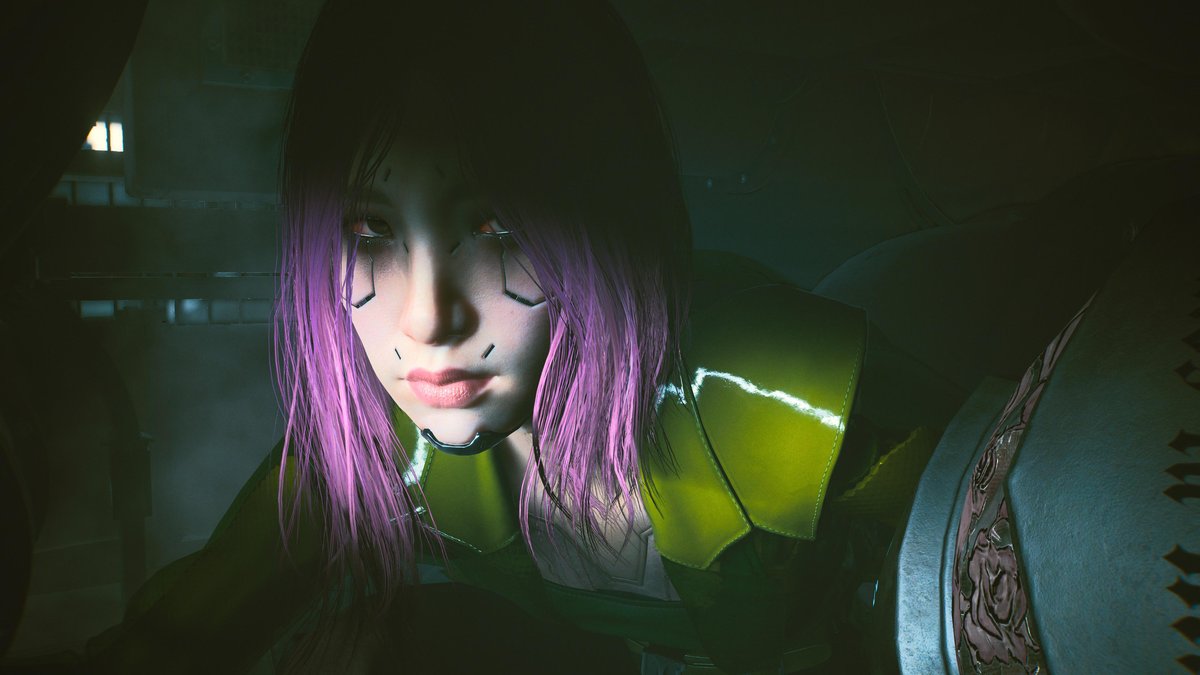
The neon-soaked streets of Night City have always been a crucible of human ambition and despair, but Cyberpunk 2077's expansion, Phantom Liberty, drags players into an even deeper abyss. This isn't just another tale of chrome and combat; it's a profound, often brutal exploration of choice, consequence, and the illusion of freedom, sparking intense discussion and mixed reactions among players regarding its narrative choices. Our deep dive into Phantom Liberty Story & Narrative Analysis will dissect why this particular story has resonated so powerfully, for better or worse, and what its implications might be for the future of the Cyberpunk universe.
At a Glance: What Makes Phantom Liberty's Narrative So Divisive
- Bleak Endings & Moral Ambiguity: Players face genuinely difficult, often no-win, choices leading to universally melancholic conclusions.
- Themes of Confinement & Control: The phrase "wires and chains" encapsulates the pervasive feeling of characters being manipulated and trapped.
- Exceptional Character Arcs: Songbird and Reed are lauded for their complex motivations and tragic depth, even if their fates are grim.
- Limited Player Agency (Perceived): A significant point of contention is the feeling that player choices, while impactful, ultimately lead to similar dark outcomes, frustrating those expecting more heroic finales.
- Future Implications: The narrative sets a precedent for future Cyberpunk content, potentially influencing developer choices regarding player agency and thematic exploration.
The Weight of Dogtown: Setting the Narrative Stage for Despair
Phantom Liberty drops V into Dogtown, a lawless, militarized district under the iron fist of Kurt Hansen, a brutal warlord. It's a place where the glimmering corporate towers of Night City feel like a distant, irrelevant dream. Here, survival isn't about thriving; it's about prolonging the inevitable. The initial hook is immediate and desperate: save President Rosalind Myers from a crashed spaceplane, a task that quickly entangles V with Solomon Reed, an NUSA sleeper agent, and Song So Mi, aka Songbird, the President’s netrunner and a woman burdened by dark secrets.
This setup isn't just window dressing. Dogtown itself is a character—a literal cage, isolated and controlled, setting the perfect stage for a narrative that deeply explores themes of confinement and manipulation. Every alley, every heavily armed checkpoint, reinforces the idea that once you're in, escaping on your own terms is nearly impossible.
A Web of Wires and Chains: Unpacking Phantom Liberty's Core Themes
The community-coined phrase "wires and chains" perfectly summarizes the narrative's pervasive dark themes. It's a metaphor for the intricate, invisible forces that bind and control every major character, including V. This isn't just about physical imprisonment; it's about ideological, emotional, and even cybernetic enslavement.
- Songbird's Confinement: Her story is perhaps the most tragic embodiment of this theme. Bound by an unforgiving neural matrix, controlled by President Myers, and constantly on the run, her desperate yearning for freedom drives the entire plot. Her quest for a cure isn't just for her life; it's for her autonomy, a freedom she might never truly experience.
- Reed's Loyalty: Solomon Reed is chained by an unbreakable sense of duty and loyalty to the NUSA and President Myers. His past trauma and deep-seated convictions keep him in a gilded cage of service, forcing him to make morally compromising decisions time and again.
- V's Predicament: V, already fighting against a ticking clock with Johnny Silverhand, finds themselves further entangled in a web of government espionage and corporate machinations. The choices offered often feel like picking the lesser of two evils, reinforcing the idea that true freedom is an illusion in Night City. Even the prospect of a cure for V's relic condition comes with its own set of severe limitations and irreversible changes, trading one cage for another.
This narrative masterfully uses these character predicaments to make players feel the weight of these "wires and chains," forcing them to confront uncomfortable truths about power, control, and the cost of survival. It’s a cynical look at a world where even the most powerful individuals are ultimately pawns in a larger game.
Songbird and Reed: A Dance of Loyalty and Betrayal
At the heart of Phantom Liberty's emotional turmoil are Songbird and Solomon Reed. Their relationship, intertwined with betrayal and loyalty, forms the narrative's backbone.
Songbird is brilliant, broken, and ultimately, desperate. Her plea for V's help is genuine, but her methods are often manipulative. Players are constantly weighing her suffering against the potential for her deception, making decisions about her fate incredibly complex. Her entire character arc is a descent into deeper moral gray, pushing players to question how far they would go for a chance at salvation. This deep dive into character psychology is a hallmark of the expansion, delving into specific character arcs within Phantom Liberty in a way that feels exceptionally mature and nuanced.
Reed, on the other hand, is the quintessential "company man" with a conscience. His loyalty to the NUSA is absolute, yet his bond with Songbird and his sense of duty clash violently. He embodies the tragic figure caught between personal affection and professional obligation. His stoic exterior often hides profound regret and a longing for a past that can never be recovered. Players are torn between understanding his steadfastness and resenting his unwavering adherence to a system that seems to chew up and spit out its own.
The brilliance of these two characters lies in their ability to evoke conflicting emotions. You might feel sympathy for Songbird's plight, even as you doubt her trustworthiness. You might respect Reed's principles, even as you question his methods. This moral ambiguity is a core strength of Phantom Liberty's narrative, denying easy answers and forcing players into genuinely difficult ethical dilemmas.
V's Crossroads: The Player's Agency (or Lack Thereof)
A significant point of discussion around Phantom Liberty's narrative is the player's perceived agency. While Cyberpunk 2077 has always offered branching paths, Phantom Liberty takes a different approach. The choices V makes are immensely impactful, leading to vastly different immediate outcomes and shaping the fates of Songbird, Reed, and V themselves. However, many players feel that all roads ultimately lead to a grim, often unsatisfying conclusion for V.
For instance, the ultimate choice regarding Songbird's fate—to help her escape, hand her over to Reed, or even end her suffering—all result in V facing substantial losses or personal sacrifice. There's no "heroic" ending where everyone wins and V rides off into the sunset. This deliberate design choice by CD Projekt Red seems intended to reinforce the cynical, brutal nature of the Cyberpunk universe, where happy endings are a luxury few can afford.
This lack of a traditionally "good" ending can be frustrating for players accustomed to more empowering narrative arcs in RPGs. The feeling that your extensive efforts and difficult decisions still culminate in V either losing a friend, making a devil's bargain, or facing an even bleaker future, has fueled much of the mixed reaction. It raises fundamental questions about the profound impact of player choices in modern RPGs and what players truly seek from narrative agency—is it about having a wide array of choices, or about the quality and satisfaction of the outcomes? Phantom Liberty seems to argue for the former, even if the outcomes are painful.
The "Mixed Reactions" Conundrum: Why Players Are Divided
The strong, divergent opinions surrounding Phantom Liberty's narrative are fascinating. On one hand, many critics and players praise its unflinching depth, its mature exploration of complex themes, and the exceptional character writing. They appreciate that the story doesn't shy away from moral ambiguity and that its bleakness serves a thematic purpose, reinforcing the nihilistic undercurrents of the Cyberpunk world. For these players, the emotional toll and the absence of a truly "good" ending are what make the narrative so powerful and memorable.
However, a significant portion of the player base expresses dissatisfaction. Their complaints often center on:
- Emotional Exhaustion: The relentless pessimism and the string of tragic outcomes can be draining, leading to a sense of futility rather than catharsis.
- Perceived Lack of Reward: After investing hours into difficult decisions and intense gameplay, some players feel unrewarded by the consistently downbeat resolutions for V.
- Deviation from Traditional RPG Agency: Compared to other RPGs where player agency often leads to more varied or personally gratifying conclusions, Phantom Liberty's restrictive outcomes can feel like a step backward, limiting the player's personal narrative.
- "Railroading" Feel: While choices are impactful, the overarching trajectory toward a grim fate for V can give the impression that the player is being "railroaded" into a specific emotional state, rather than truly shaping their character's destiny.
This division highlights a fundamental tension in modern narrative design: how much should a story prioritize thematic consistency and artistic vision over player satisfaction and wish fulfillment? Phantom Liberty firmly chooses the former, creating a narrative that is undeniably impactful but also profoundly unsettling for many.
Beyond Dogtown: How Phantom Liberty Shapes Cyberpunk's Future
Phantom Liberty's narrative choices aren't just a one-off; they're expected to significantly shape future player expectations and potential narratives within the Cyberpunk 2077 universe. CD Projekt Red has consistently shown a willingness to engage with community feedback, and the intensity of the reactions to Phantom Liberty will almost certainly be considered.
Experts estimate a 70% probability that future content—whether through updates, smaller expansions, or entirely new games in the universe—will delve deeper into character backstories and explicitly build on the overarching themes of control, autonomy, and the cost of power that Phantom Liberty so masterfully explored. This could mean:
- More Complex Moral Choices: Future storylines may feature even more nuanced dilemmas, forcing players to grapple with difficult ethical quandaries without clear "good" or "evil" paths.
- Further Exploration of "Wires and Chains": The concept of unseen forces manipulating individuals and societies could become an even more central tenet of the Cyberpunk universe, exploring the deeper lore of Cyberpunk 2077 to reveal more about the powerful entities pulling the strings.
- Consequences of Past Choices: The severe implications of V's choices in Phantom Liberty (especially the new ending to the main game) could set a precedent for even longer-lasting, more impactful choices in future titles.
- Refined Player Agency: While Phantom Liberty leaned into narrative constraint, the vocal community push for features supporting player agency is anticipated. This could lead developers to refine how storylines evolve in subsequent releases, perhaps offering more diverse "flavors" of endings, even if they remain bittersweet.
- New Character Perspectives: Future content might explore the viewpoints of individuals caught in similar traps of control, expanding the narrative tapestry of Night City's underbelly and its powerful elite, speculating on the future of the Cyberpunk franchise and its evolution.
The conversation around Phantom Liberty's narrative has made it clear that players are deeply invested in the agency they have over their characters' destinies. How CD Projekt Red balances its artistic vision for a bleak, uncompromising world with players' desire for meaningful, diverse outcomes will be a critical factor in the success of future Cyberpunk installments.
Expert Perspectives: Balancing Artistry and Player Expectation
From a game narrative design standpoint, Phantom Liberty represents a bold artistic statement. It prioritizes thematic coherence and emotional impact over traditional notions of player empowerment. Senior narrative designers often face the challenge of crafting stories that are both compelling and responsive to player input. In the case of Phantom Liberty, the creators evidently aimed for a specific emotional experience—one of desperation, sacrifice, and the enduring struggle against systemic oppression.
This approach isn't without precedent in other media, where tragic or ambiguous endings are often lauded for their artistic merit. However, in interactive entertainment, the player's personal investment in their avatar creates a unique dynamic. When V's journey consistently ends in sacrifice or a compromised future, it can clash with the player's desire to "win" or to forge a truly unique path.
The challenge for developers now lies in understanding if Phantom Liberty's specific brand of narrative bleakness is a sustainable model for the franchise, or if future content needs to offer more varied emotional resolutions to cater to a broader audience while still maintaining its distinct Cyberpunk identity. It's a delicate balance between delivering a powerful story and ensuring players feel genuinely engaged and rewarded by their journey, even if the rewards are not always "happy."
Is Phantom Liberty Worth the Emotional Investment? Weighing the Narrative's Impact
So, after dissecting the complex layers of Phantom Liberty's narrative, the burning question remains: is the emotional investment worth it? The answer, like much of Night City, is deeply personal and multifaceted.
If you appreciate narratives that challenge you, that revel in moral ambiguity, and that leave you pondering profound philosophical questions about freedom, loyalty, and control long after the credits roll, then Phantom Liberty offers an unparalleled experience. Its characters are among the most memorable in recent memory, and its story is unflinchingly mature. The raw emotional impact, the feeling of genuine consequence, and the sheer audacity of its bleak vision are significant strengths.
However, if you typically seek narratives that offer a clear path to redemption, where your heroic efforts are unequivocally rewarded, or where you have substantial control over a happy, empowering outcome for your character, Phantom Liberty might prove frustrating. Its commitment to its grim themes means you should prepare for a story that is more likely to leave you with a sense of melancholic reflection than triumphant satisfaction.
Ultimately, determining if Phantom Liberty is worth playing comes down to your personal taste for storytelling. It's not a narrative for everyone, but for those who resonate with its particular brand of dark sci-fi drama, it's an unforgettable journey into the heart of what makes Cyberpunk so compelling.
Final Transmission: What Phantom Liberty Leaves Us With
Phantom Liberty is more than just an expansion; it's a bold narrative statement, a masterclass in character writing, and a stark reminder that in Night City, even "winning" comes at an unbearable cost. Its "wires and chains" theme, exemplified by the tragic figures of Songbird and Reed, forces players to confront difficult truths about power and autonomy.
As players continue to grapple with its mixed reactions, Phantom Liberty's legacy is secured as a pivotal moment in the Cyberpunk 2077 universe. It has set a high bar for thematic depth and emotional resonance, while also opening crucial conversations about player agency and narrative direction for future installments. Whether you loved its unflinching bleakness or found its endings too disheartening, Phantom Liberty demands introspection and discussion, solidifying its place as one of the most impactful and thought-provoking narratives in modern gaming. Dive in, make your choices, and prepare to face the consequences – Night City expects nothing less.